Blue Butterfly Cluster: A Craft Fair Best-Seller Review
As I set up my booth for the upcoming weekend market, I am constantly evaluating which machine embroidery design will stop customers in their tracks. Today, I am taking a close look at the Blue Butterfly Cluster. When you are running a handmade business, especially as an Etsy seller or a craft fair vendor, you do not just need pretty art; you need a product that sells. This review breaks down how this specific design performs on real-world items, from tote bags to kitchen linens, and whether it deserves a prime spot on your display table.
First Impressions and Market Appeal
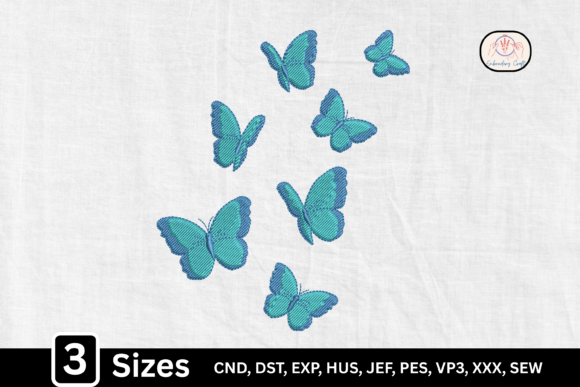
The moment I pulled up the preview of the Blue Butterfly Cluster, the vibe was immediately clear. It feels elegant yet approachable, striking a perfect balance between modern minimalism and natural beauty. Unlike some bug-themed designs that can feel too cartoonish or scary, this cluster leans into the decorative and soft side of nature. The blue tones suggest calmness and reliability, which are excellent psychological triggers for buyers looking for home decor or wearable art.
For a craft fair product, visual impact is everything. Customers walking down an aisle have seconds to decide if they want to stop. This design works because it is instantly recognizable. You do not need to squint to understand what it is. Whether placed on a rustic linen towel or a crisp canvas bag, the Blue Butterfly Cluster reads as a premium handmade product. It avoids the cluttered look that sometimes plagues digital files, offering clean lines that translate well to physical thread.
Product Versatility and Placement
The true test of any digital embroidery file is its versatility across different substrates. Here is how I see the Blue Butterfly Cluster performing on various best-sellers:
- Tote Bags and Market Bags: This is likely the strongest contender for this design. A large cluster of butterflies looks stunning centered on a canvas tote. It acts as a focal point that elevates a simple bag into a statement piece. As a tote bag design, it appeals to shoppers looking for eco-friendly fashion with a touch of whimsy.
- Aprons and Tea Towels: For kitchen goods, placement is key. On an apron, this design works beautifully on the bib or the lower skirt. For tea towel embroidery, placing the cluster in a corner creates a sophisticated, finished look that suggests high-end home goods rather than mass-produced items.
- Caps and Patches: While possible, curved surfaces like caps require careful hooping. The Blue Butterfly Cluster might need to be scaled down for a hat, which brings us to potential clarity issues. However, as an embroidered patch, it could be a fantastic add-on item for customers who want to customize their own jackets or bags later.
- Pillow Covers and Pouches: These small shop products benefit from the organic shape of the butterflies. The design fills the space without feeling forced, making it ideal for zippered pouches or throw pillow inserts.
Production Practicality for Small Shops
Running a small business means efficiency is just as important as aesthetics. When preparing for a busy market weekend, I need designs that are repeatable. The Blue Butterfly Cluster appears to have a logical stitch path, which minimizes thread breaks and trim time. However, before committing to a batch of fifty aprons, there are critical factors to consider regarding stitch density and fabric interaction.
If the design has very dense areas where the blue threads overlap heavily, it could cause puckering on lighter fabrics like linen tea towels. Conversely, if the stitch count is too low, the design might look sparse on thick canvas. It is vital to check the thread colors included in the file. Does the blue pop against navy? Does it get lost on black? For a commercial embroidery run, you want a design that maintains its integrity across a spectrum of fabric colors.
Technical Considerations and Careful Use
Every designer knows that a file that looks great on a screen can fail on fabric if not tested. Here are the specific pitfalls to watch for with the Blue Butterfly Cluster:
- Fabric Texture: Highly textured towels can swallow small details. If the butterfly wings have fine satin stitches, ensure the fabric pile does not obscure the definition.
- Curved Surfaces: Embroidering on a cap requires a specific hoop and stabilizer strategy. The cluster shape might distort if not centered perfectly on the crown curve.
- Scaling Down: If you plan to use this as a small accent on a pocket or cuff, verify that the tiny details do not merge together. Designs often lose clarity when reduced below a certain inch threshold.
- Dark Fabrics: Blue thread on dark green or black fabric may lack contrast. You might need to add a backing layer or choose a brighter shade of blue to ensure the design stands out.
Maximizing Visual Appeal and Sales
In the context of a booth display, the Blue Butterfly Cluster serves as a powerful tool for buyer engagement. It tells a story of nature and craftsmanship. When customers see consistent branding—where the same high-quality design appears on your tote, your patch, and your pillow—it builds trust. They perceive your brand as professional and cohesive.
Furthermore, this design photographs exceptionally well for online listings. The organic shapes create natural shadows and highlights that make printable mockup images look realistic and inviting. For an Etsy seller, having a design that translates well from a digital thumbnail to a physical finished product is the holy grail of sales conversion. It bridges the gap between browsing and buying.
Final Designer Notes and Recommendations
Before you load this into your machine for a production run, treat the Blue Butterfly Cluster with the respect it deserves as a potential revenue driver. Do not assume the default settings will work for every project. My advice is to stitch out a test on scrap fabric that matches your intended product material. Check the tension, inspect the back for excessive buildup, and ensure the stabilizer you are using provides enough support without being too stiff.
Confirm the hoop size requirements immediately. Some clusters are wide and may require a large hoop, limiting where you can place them on smaller items like pouches. Also, always review the license terms associated with the design assets. Ensure you have the rights for commercial embroidery if you plan to sell the physical goods. If the file format or specific stitch count is not clearly listed in the product description, reach out to the creator before purchasing.
Ultimately, the Blue Butterfly Cluster has the makings of a staple item in your inventory. It fits the current trend of nature-inspired decor while remaining timeless enough to sell year-round. By paying attention to fabric choice, stitch quality, and presentation, you can turn this single embroidery file into a lineup of best-selling handmade products that customers will love to take home.